




Wondering how capital gains in Dubai impact your investments? You’re not alone—many creatives and investors face questions about capital gains tax, corporate tax, and their taxable income in the United Arab Emirates.
As someone who understands both the artistic mind and financial landscape, We are here to guide you through:
- When you might need to pay capital gains tax or income tax
- How to manage your obligation to pay taxes wisely
- Using tools like the foreign tax credit for better financial balance
Keep reading to take control and find clarity in your financial journey.
1. What Are Capital Gains, and Why Should Creators Care?
Capital gains are the profits you earn when you sell something — like property or investments — for more than you paid. For example, if you bought a small apartment in Dubai five years ago to use as a studio, and now you sell it for a higher price, the extra money you make is your capital gain.
Even if your focus is on art or photography, it’s helpful to understand how your income, especially from personal investments, might be seen by tax systems in the United Arab Emirates and beyond.
- Short term capital gains are profits from things sold within a year.
- Long term capital gains usually come from assets held longer than a year.
Why does this matter? Because how long you hold something can affect how it’s taxed — or not taxed at all.
See Also The Ultimate Guide to Selling Your Property in Dubai
2. Is There Capital Gains Tax in Dubai?

For many, Dubai is known as a place of opportunity and freedom — and that includes financial freedom. If you’re wondering whether the profits from your property or personal investments are taxed here, the answer is simpler than you might expect.
Let’s look at how Dubai treats capital gains, and what that means for you as a thoughtful creator or investor.
The UAE’s Tax-Friendly Policy


The good news is: Dubai does not impose a capital gains tax on most personal investments. This is one reason why many real estate investors, business owners, and creators find the city appealing.
If you’re a UAE tax resident, you might not need to pay capital gains tax on profits made from selling residential properties or other personal assets.
This doesn’t mean there are no taxes — but the system here is shaped to offer strong tax incentives and wealth preservation tools.
Property and the Dubai Land Department

When buying or selling property, you’ll likely deal with a property registration fee instead of a capital gains tax. This fee, usually around 4%, is paid to the Dubai Land Department during property transactions.
For property owners, this creates clarity. You know your costs up front, and you’re not surprised later with a bill when you sell.
What About Rental Income?

Though rental income tax is not applied in Dubai, you may still need to report this income in your home country, especially if you earn worldwide income or have foreign financial assets. In some cases, countries have tax treaties with the UAE to help reduce double taxation.
3. How Do Other Countries View Your Capital Gains?

Even if Dubai’s tax regulations are friendly, many countries still expect their citizens to pay taxes on foreign earned income. If you’re from a country like the United States, your government may still ask you to pay income tax on your foreign assets or profits from selling real estate abroad.
This includes rental income, capital gains, and possibly even your personal income.
This is where tools like the foreign tax credit, the foreign earned income exclusion, and foreign bank account report filings become important. If you meet certain rules, such as passing the bona fide residence test, you may reduce or avoid extra taxes.
To keep things clear:
- Check if your country taxes worldwide income.
- Learn how your country defines tax residency.
- File a tax return even if you live abroad.
- Look into any tax treaties between your country and the UAE.
- Use credits or exclusions to avoid double taxation.
- Report foreign financial assets and foreign bank accounts if required.
Planning well can help you stay focused on your work without worrying about surprises from tax offices back home.
See Also UAE Citizenship
4. Real Estate Investment: A Creative’s Safe Harbor

For many artists and photographers, real estate investment is more than financial — it’s about space. A home with soft light. A rooftop view for inspiration. A quiet studio near the sea.
Dubai offers all this — and more.
Residential vs. Commercial Properties

Not all buildings are the same when it comes to taxes. In Dubai, the way a space is used — to live or to do business — can shape your costs and responsibilities.
- Residential properties are often used for living, relaxing, or renting out to travelers.
- Commercial properties may involve tax obligations depending on how you use them.
Both types have tax benefits in Dubai due to the absence of property taxes and inheritance tax.
Selling Property: Costs to Remember
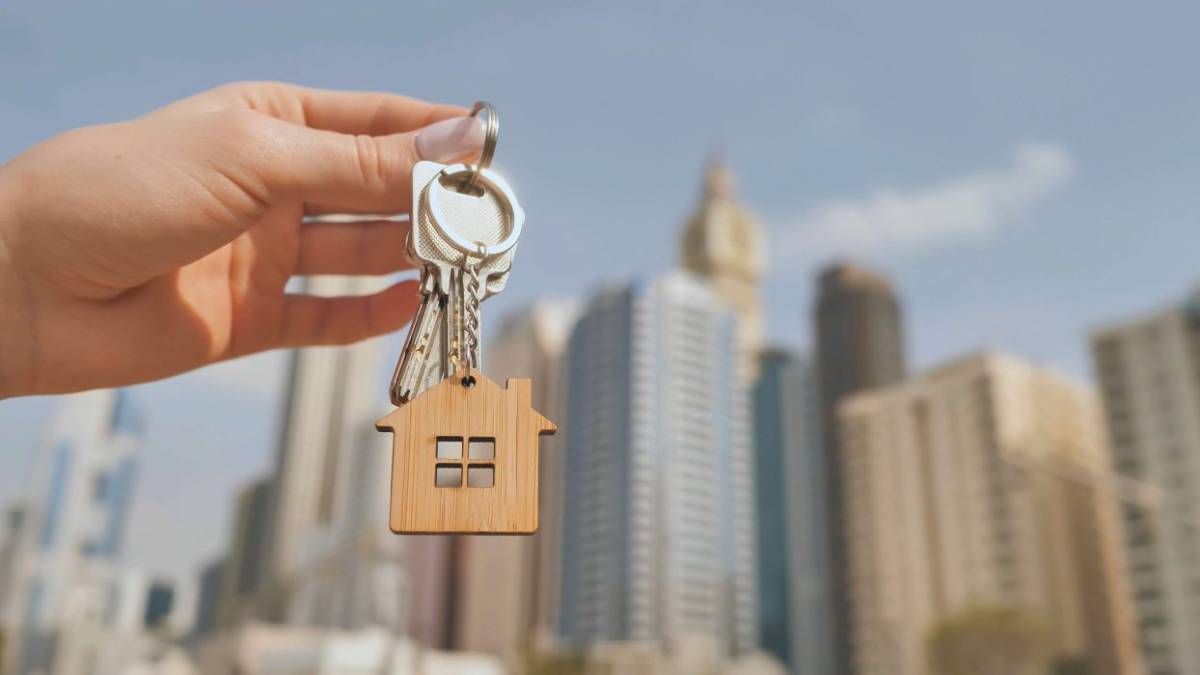
While there’s no capital gains tax, selling real estate still involves costs:
- Registration fee (to the Dubai Land Department)
- Agent fees (usually 2%)
- Possible costs in your home country (if you’re taxed on worldwide income)
Market Trends and Personal Interests

Watching market trends can be helpful — not to speculate, but to understand timing. If you bought a property during a low point and now sell during a rise, that’s a capital gain.
But always align decisions with your personal interests, not just numbers. If a space inspires you, holds meaning, or supports your work, that value goes beyond charts.
5. Smart Planning for Foreign Investors and Creators

Navigating international tax regulations can feel overwhelming, especially when you’re juggling creativity, investment, and travel. For foreign investors and creators living or working in Dubai, understanding your broader tax obligations is essential.
Even though the UAE offers tax benefits like zero personal income tax and no capital gains tax, your home country may still expect you to pay taxes on your worldwide income. This includes capital gains, rental income, and any foreign financial assets. Proactive planning — with the help of tax experts — ensures you meet your responsibilities while protecting your creative flow and financial peace of mind.
Beyond compliance, smart tax planning opens the door to long-term wealth preservation. Evaluating whether your income qualifies for the foreign earned income exclusion, or whether your company structure is subject to the UAE’s new corporate tax, helps you stay ahead.
By aligning your personal and financial decisions — such as when to sell property, or how to report foreign assets — you create a structure that supports both your vision and your values. In Dubai’s globally connected yet tax-efficient environment, knowledge isn’t just power — it’s freedom.
See Also Cost of Living in Dubai
Key Takings About Capital Gains in Dubai

Dubai offers a calm and reliable environment for those seeking financial clarity. There is no capital gains tax, no income tax, and minimal property-related fees. Still, if you’re connected to another country, your tax obligations may follow you — especially when it comes to worldwide income, rental income, or foreign financial assets.
For artists, photographers, and thoughtful investors, knowing the basics of tax policy, tax treaties, and corporate tax rules can make a quiet but powerful difference. Whether you’re living abroad or simply owning property in Dubai, a gentle awareness of your tax liability helps protect both your peace and your income.
If you found this helpful, we invite you to read our article on investment in Dubai — where we explore how creatives can make choices that reflect both purpose and practicality.
Feel free to leave a comment and share your experience or questions about capital gains, tax efficiency, or investing in Dubai. We’re here to keep the conversation clear and meaningful.
FAQ
Is there a capital gains tax on property or investments in Dubai?
No, Dubai does not impose a capital gains tax on most personal investments, including the sale of residential properties. Instead, property transactions typically involve a property registration fee paid to the Dubai Land Department. This tax-friendly approach is one reason Dubai attracts many real estate investors and creators.
Do I need to pay taxes on my Dubai capital gains if I live abroad?
If you live outside the UAE, your home country may require you to report and pay taxes on your foreign earned income, including capital gains from Dubai property or investments. Many countries tax worldwide income, so using tools like the foreign tax credit or checking tax treaties with the UAE can help avoid double taxation.
