


Thinking about living in Dubai as an expatriate?
You’re not alone in facing the challenges of settling into a new city with strict laws, a unique culture, and a high cost of living.
As someone who understands the expat life deeply, we are here to guide you through:
- Navigating the residence visa process
- Understanding local laws and customs
- Managing cost of living and school choices
Keep reading to discover a simple plan for finding peace and balance in this dynamic city. By the end, you’ll feel ready to make Dubai your home with confidence.
1. The Basics of Expat Life in Dubai
Living in Dubai means adapting to a place shaped by sunlight, sand, and ambition. Many expats find the city both exciting and demanding, especially in the first few months.
- The official language is Arabic, but English is widely spoken in most places.
- You will need a residence visa to live and work here, often sponsored by your employer.
- A work visa is tied to an employment contract, and you’ll need an Emirates ID to open a bank account, rent housing, or access services.
Dubai means modern living, but under Islamic traditions. Public behavior is expected to follow local customs. For example, you should dress modestly, especially in government buildings, malls, or around families.
Avoid public displays of affection. It’s also worth noting that Dubai is a Muslim country, and some rules—like restrictions on when and where you can drink alcohol—may feel different than in western countries.
See Also UAE Citizenship
2. Cost of Living and Financial Expectations
Living in Dubai means balancing a unique blend of opportunities and expenses. Understanding the financial landscape can help you make thoughtful choices without stress. It’s important to know what to expect—from housing to everyday costs—to find comfort in your new home.
Is Dubai Expensive?
Yes, it can be. Dubai is an expensive city, especially near Downtown Dubai or Dubai Marina. A one bedroom apartment in the city centre can cost quite a bit, and prices go even higher in areas like Palm Jumeirah.
Still, there are more affordable areas—especially if you explore other city suburbs or live in nearby Abu Dhabi.
Income, Taxes, and Saving

One of the most talked-about benefits is the tax free income. Expats do not pay income tax, which makes saving money easier than in other countries. This system of tax free living draws many expats to the Middle East.
However, this doesn’t mean everything is cheap.
- School fees for private education are often high.
- Medical insurance is usually required by law and must be provided by your employer.
- Private healthcare is common, although public schools and hospitals do exist, mostly for UAE nationals.
Lifestyle Choices
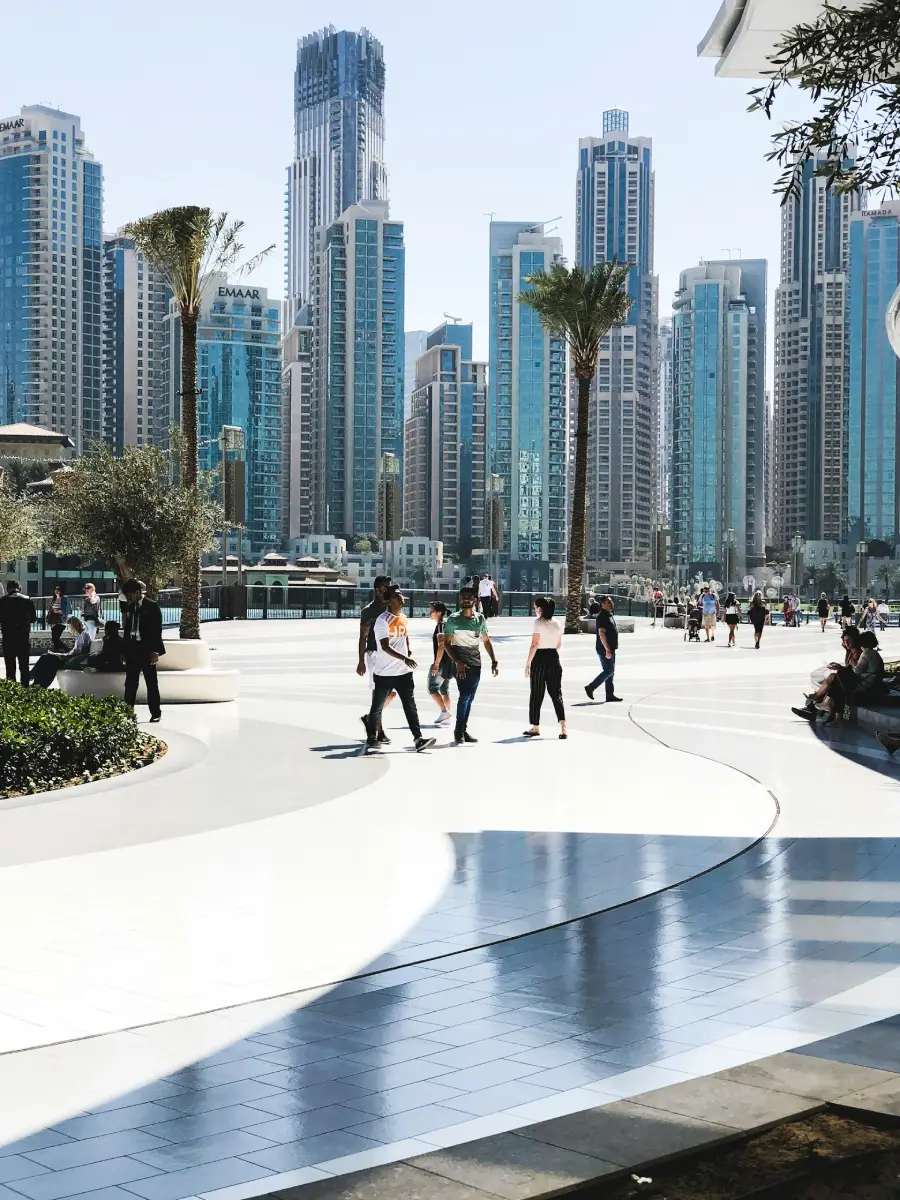
Dubai offers a luxury lifestyle if that’s what you want—but it also supports quiet, simple routines. From desert walks at sunrise to reading by the sea, you can shape your daily life to suit your mood. Just be aware of strict laws and speed limits, especially if you plan to drive.
3. Education and Family Life

Living in Dubai as an expatriate, education and family life form the quiet foundation of many expatriates’ experience in the city. Choosing the right school and finding a supportive community can bring comfort in a new place.
For families, understanding the options available helps create a steady, nurturing environment far from home.
International Schools

Dubai boasts many international schools offering a range of curriculums:
- The British education system is popular among American expats and those from Western countries.
- The International Baccalaureate is also available in several schools.
- The national curriculum of the UAE is mostly followed in public schools, but expat children usually do not attend public schools.
School Fees

School fees in Dubai can be quite high, especially at private and international schools. Many require payment up to a year in advance, covering tuition, books, and activities.
Since public schools mainly serve UAE nationals, most expat children attend private schools, making education a significant part of the cost of living for families.
Community and Activities
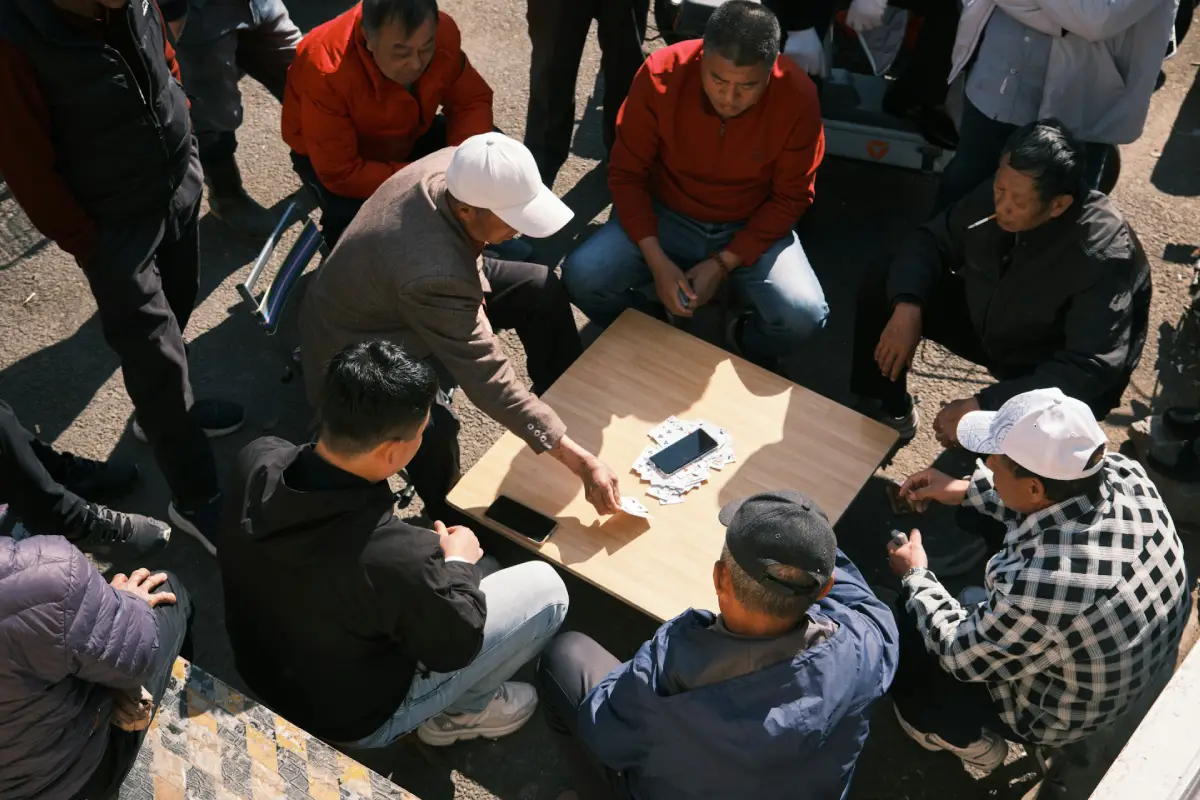
Children have access to sports, music, and art programs. Dubai Mall and local libraries sometimes host events. The city is very safe, so many families feel comfortable letting older children explore places like Dubai Marina or the parks near Burj Khalifa.
See Also Best Neighborhoods in Dubai
4. Culture, Religion, and Law
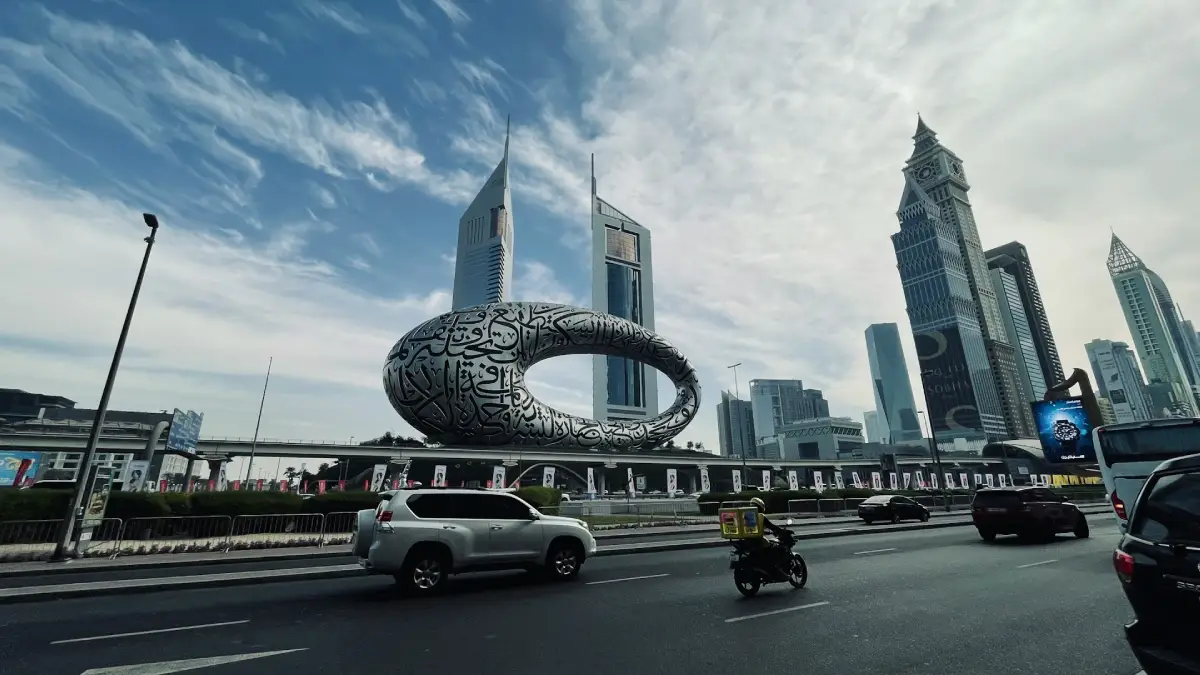
Life in the Middle East comes with cultural depth. But understanding local laws and Islamic law is part of living respectfully.
- Islamic traditions influence daily life—from prayer times to public holidays.
- During Ramadan, for example, eating and drinking in public during daylight is discouraged.
- Licensed venues are where alcohol is served. It is illegal to drink outside of them.
Although most expats adapt easily, you’ll need to be mindful of what’s allowed. For instance, public displays of affection can lead to warnings or fines. The laws may feel strict, but they’re consistent—and they help make Dubai safe for everyone.
5. Places and Atmosphere
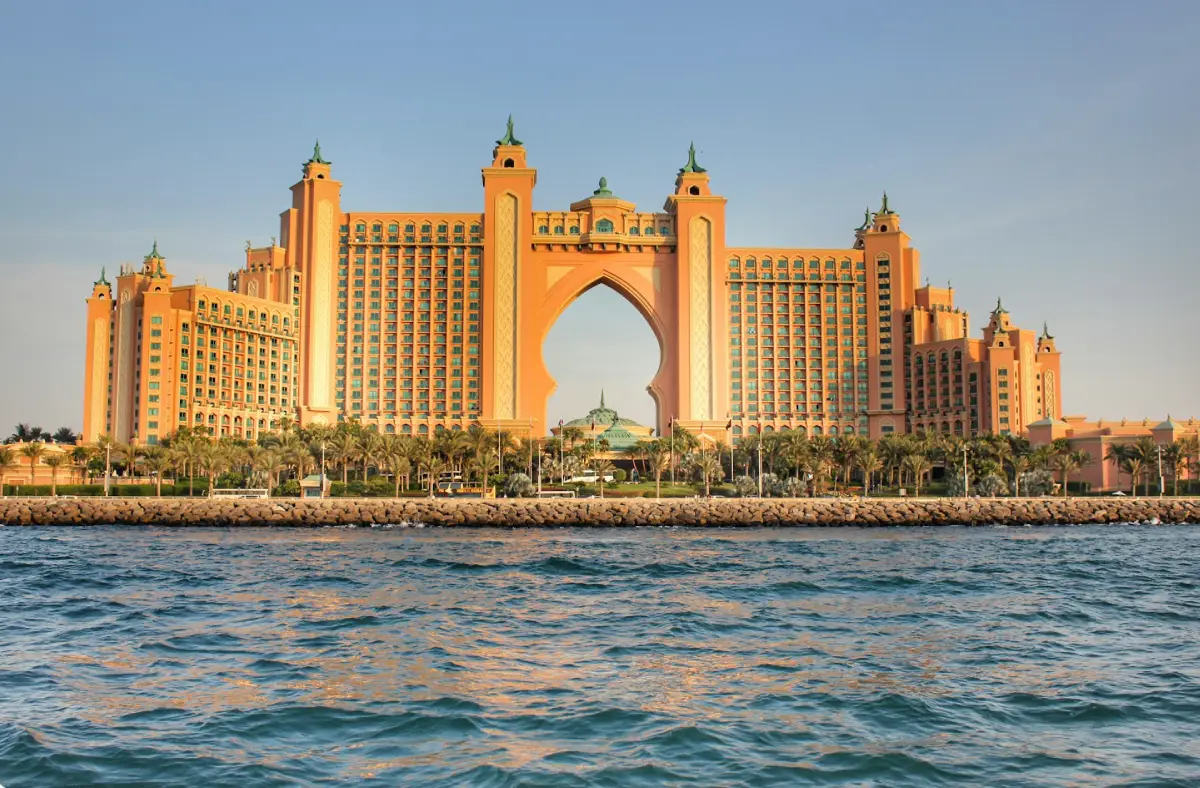
Living in Dubai as an expatriate often feels like walking through a painting made of light and space. The city is known for its modern look, but underneath the glass and steel, there’s a soft rhythm.
If you move slowly, and pay attention, you’ll notice the quiet beauty between the buildings, along the water, and in the stillness of early mornings.
Dubai may be a dynamic city, but there are many places where time feels slower—where you can think, walk, and breathe without pressure. Whether you enjoy nature, architecture, or peaceful spaces to read or photograph, there are corners in Dubai that offer calm without asking for attention.
Here are some of those places and what they feel like:
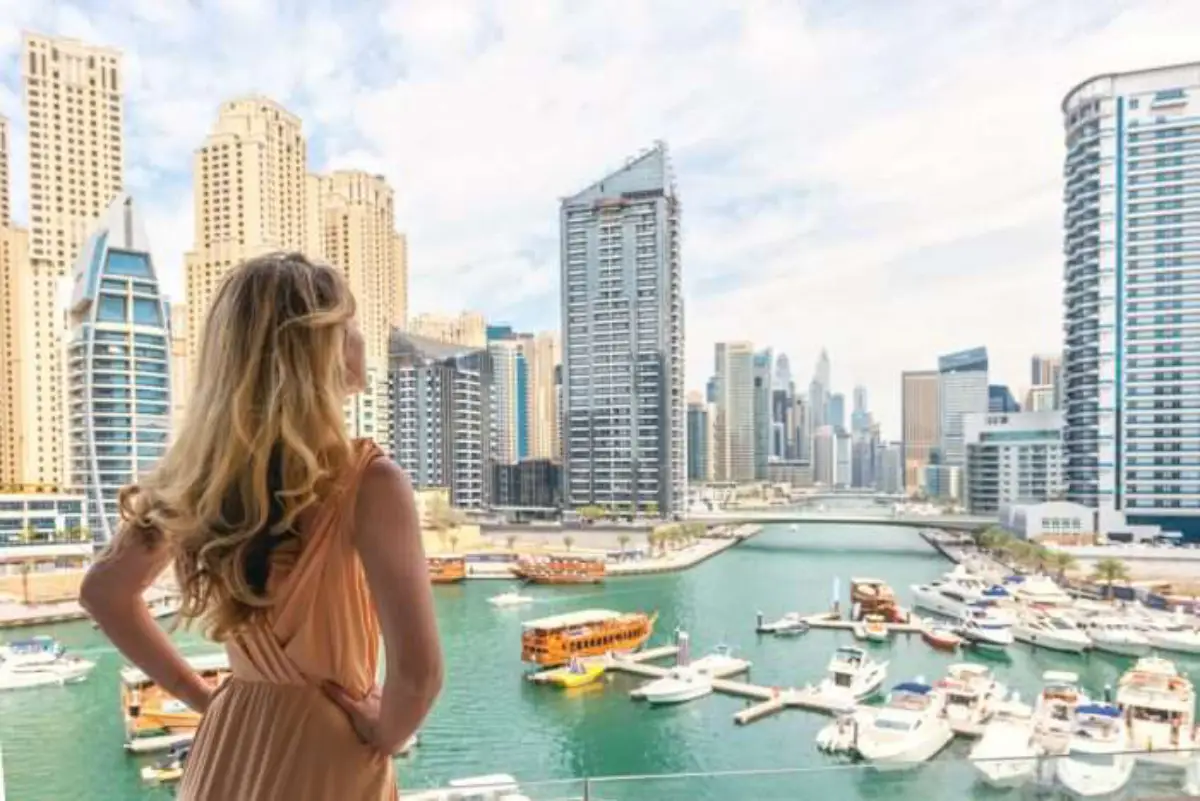
- Dubai Marina – Tall towers stand quietly over the water. In the early hours, it’s calm. The water reflects light like glass. You can sit on a bench, take photos, or just watch boats drift by.
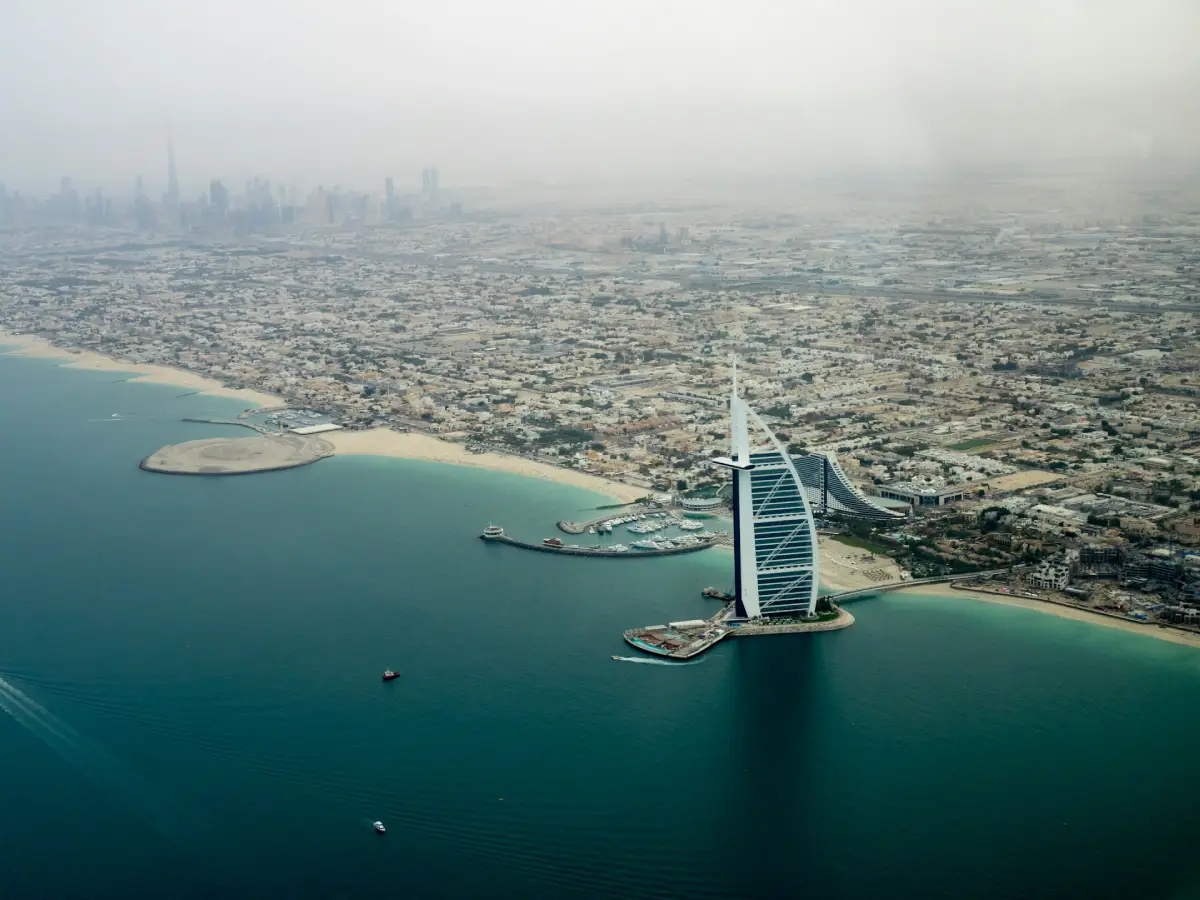
- Palm Jumeirah – This man-made island has quiet beaches and gentle views. It feels private, even though it’s close to busy roads. Many expat families and individuals live here for the quiet and comfort.
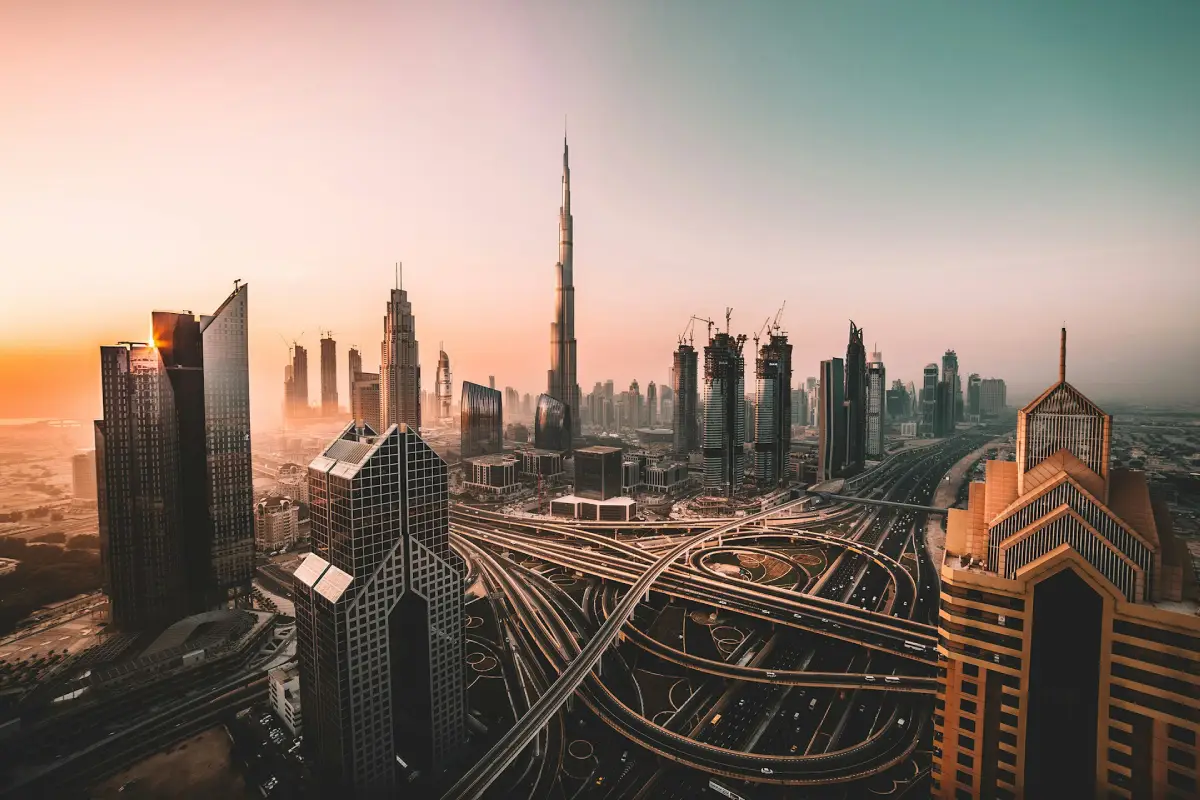
- Downtown Dubai – Home to the Burj Khalifa and Dubai Mall, this area may sound loud, but it has peaceful moments too. Early mornings offer open space and quiet streets. Sunlight touches the buildings gently, and you can feel small in a peaceful way.
- Arabian Desert – Just beyond the city, the sand stretches far and silent. It’s best to visit around sunrise or sunset. The colors shift slowly, and the quiet feels deep. It’s a good place to take photos or to just sit and think.
- Jumeirah Beach – The waves come and go without a rush. In the early morning, before the city wakes up, you can walk along the shore and feel calm. The air is cool, and the sound of water softens the mind.
- Creek Park and Zabeel Park – These green spaces are simple but meaningful. People come here to walk, read, or enjoy a slow lunch. There are shaded paths, wide trees, and open sky. A good place to be alone without feeling lonely.
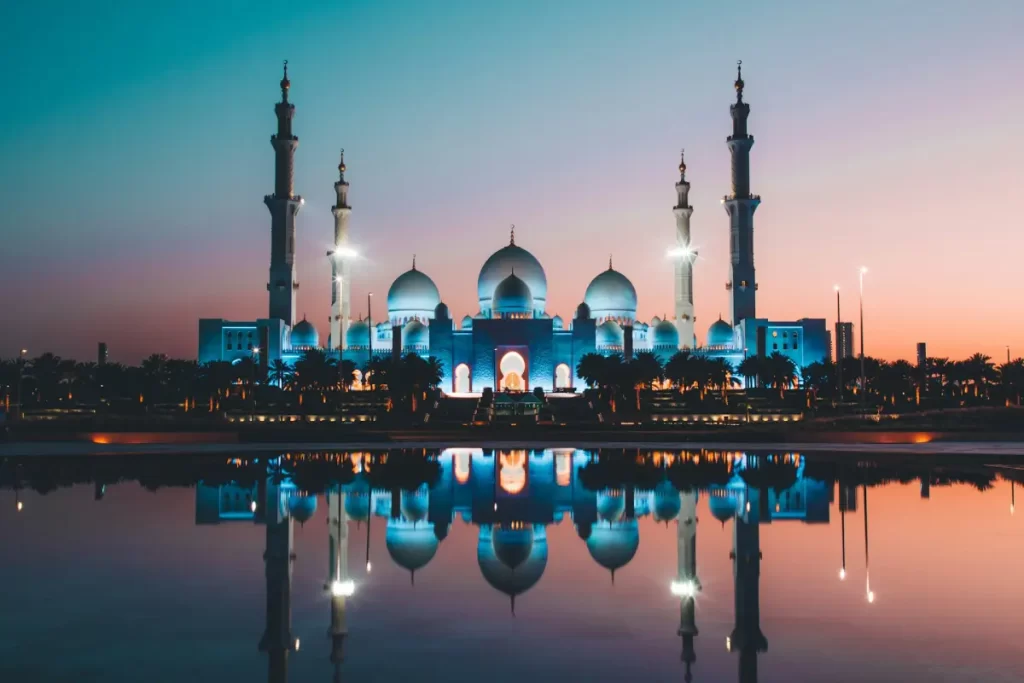
The overall feeling in Dubai is shaped not only by its spaces but by the way people live within them. The city follows Islamic law, and though it’s modern, it still holds to tradition. You’ll see mosques in every area, and hear the call to prayer.
The official language is Arabic, but English is widely spoken, especially by expatriates from western countries. You’re expected to dress modestly, avoid public displays of affection, and follow local laws—but if you respect the culture, you’ll find peace here.
See Also Cost of Living in Dubai
Key Takeaways About Living in Dubai as an Expatriate
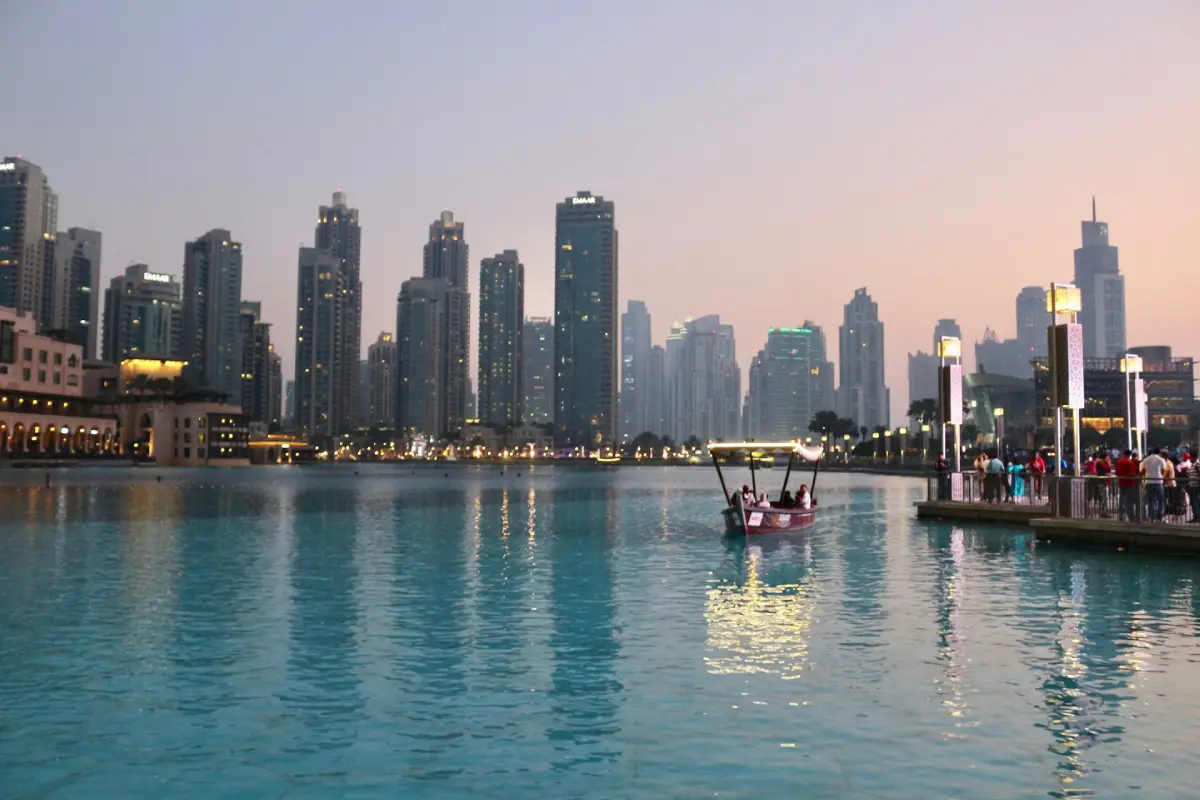
Living in Dubai as an expatriate offers a unique blend of modern life and rich traditions, making it a place where many expats find balance and opportunity. From navigating the residence visa process and understanding local laws to exploring peaceful corners like Dubai Marina and Palm Jumeirah, the city invites quiet appreciation as much as dynamic energy.
With tax free income and zero income tax, financial life here feels different from other countries, though it comes with its own challenges like the high cost of housing and school fees for expat children.
Education choices are varied, including international schools offering the British education system or international baccalaureate programs, helping families settle comfortably. Whether in downtown Dubai near the Burj Khalifa or the quieter suburbs, expat life in this multicultural city offers both adventure and calm.
If you found this reflection helpful, I invite you to explore our other article about Living in Dubai, where we dive deeper into the day-to-day experience and practical tips for settling in.
Your thoughts matter—please feel free to leave a comment below and share your own experiences or questions. Together, we can build a gentle conversation about what it means to call Dubai home.
FAQ
Do expatriates in Dubai have to pay income tax?
No, Dubai offers tax free income and zero income tax for expatriates, which makes saving money easier compared to many other countries.
What kind of education options are available for expat children in Dubai?
Dubai has many international schools offering curriculums like the British education system and International Baccalaureate, while most expat children attend private rather than public schools.
